


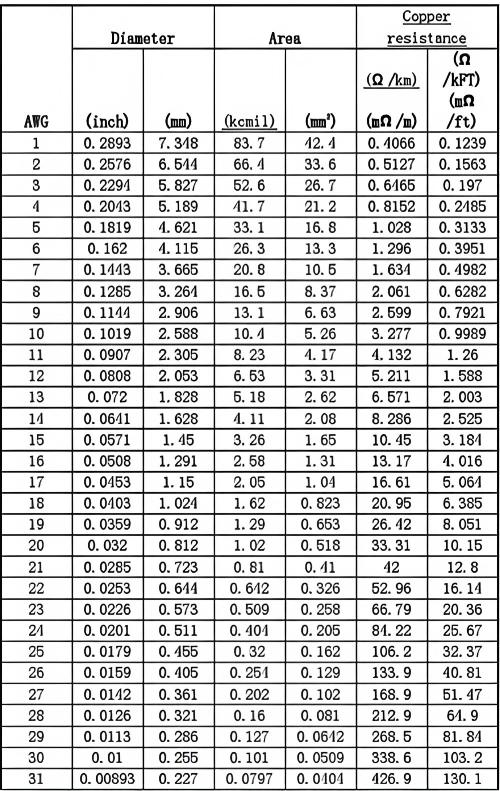
Guide des tailles standard et de la capacité de charge actuelle
Cactus Electronics publie la référence de la jauge de fil AWG : Guide des tailles standard et de la capacité de charge de courant
Cactus Electronics, l'un des principaux fournisseurs de connecteurs personnalisés, de faisceaux de câbles et de solutions de connectivité, est heureux d'annoncer la publication d'un guide de référence complet pour les tailles standard American Wire Gauge (AWG) et leurs capacités de transport de courant correspondantes. Cette ressource pratique est conçue pour aider les équipementiers, les ingénieurs et les équipes d'approvisionnement à sélectionner la jauge de fil optimale pour les applications automobiles, télématiques de flotte, de contrôle industriel et de dispositifs électroniques.
The AWG standard is widely used in global electronics and automotive industries, and selecting the correct wire gauge is critical to ensuring reliable performance, safety, and durability of electrical systems. Cactus Electronics’ reference guide focuses on copper-core wires— the most commonly used conductor in automotive and industrial applications—with PVC insulation, operating at a 30°C ambient temperature and suitable for both single-core and multi-core conduit installation.
The guide includes a detailed comparison table covering the most commonly used AWG sizes, featuring conductor diameter (mm), cross-sectional area (mm²), safe current-carrying capacity (A), and typical application scenarios. Key specifications include: AWG 4/0 (0000) for industrial main power (195–230A), AWG 10 for lighting and automotive low-voltage lines (30–35A), AWG 18 for electronic sensors and automotive low-voltage signal lines (7–10A), and AWG 24 for PCB jumpers and fine signal lines (2–3A), among others.
In addition to the core size and current data, the guide provides essential selection notes to help users make informed decisions. It clarifies the AWG rule—where larger AWG numbers indicate thinner wires with lower current-carrying capacity, and smaller numbers represent thicker wires with higher capacity. It also outlines key factors affecting actual current-carrying capacity, including ambient temperature (higher temperatures reduce capacity), multi-wire conduit installation (10%–30% derating), conductor material (aluminum carries 70%–80% of copper’s capacity), and insulation type (XLPE insulation can slightly increase capacity).
“Proper wire gauge selection is fundamental to the reliability of electrical systems, especially in harsh automotive and industrial environments,” said a spokesperson for Cactus Electronics. “By releasing this AWG reference guide, we aim to support our clients in streamlining the design and procurement process, reducing errors, and ensuring their products meet the highest standards of performance and safety. This guide aligns with our commitment to providing not just high-quality custom wiring harnesses and connectors, but also valuable resources to empower our clients.”
Cactus Electronics specializes in custom wiring harnesses, connectors, and overmolding solutions tailored to automotive, fleet telematics, industrial, and electronic applications. The AWG reference guide complements the company’s full range of technical support services, helping clients optimize their electrical system designs for durability, efficiency, and compliance with industry standards.

Laissez votre message