Driven by the dual goals of carbon peaking and carbon neutrality and the rapid advancement of intelligent connected vehicle technologies, China’s automotive industry is accelerating its transformation towards electrification and intelligence. As the core carrier of automotive electrical systems, the wire harness industry is facing dual challenges of technological innovation and industrial upgrading, with high voltage, lightweight, intelligence and green sustainability emerging as the core trends reshaping the global industry pattern in 2025.
High-Voltage Harnesses: A Booming Market Fueled by NEV Penetration
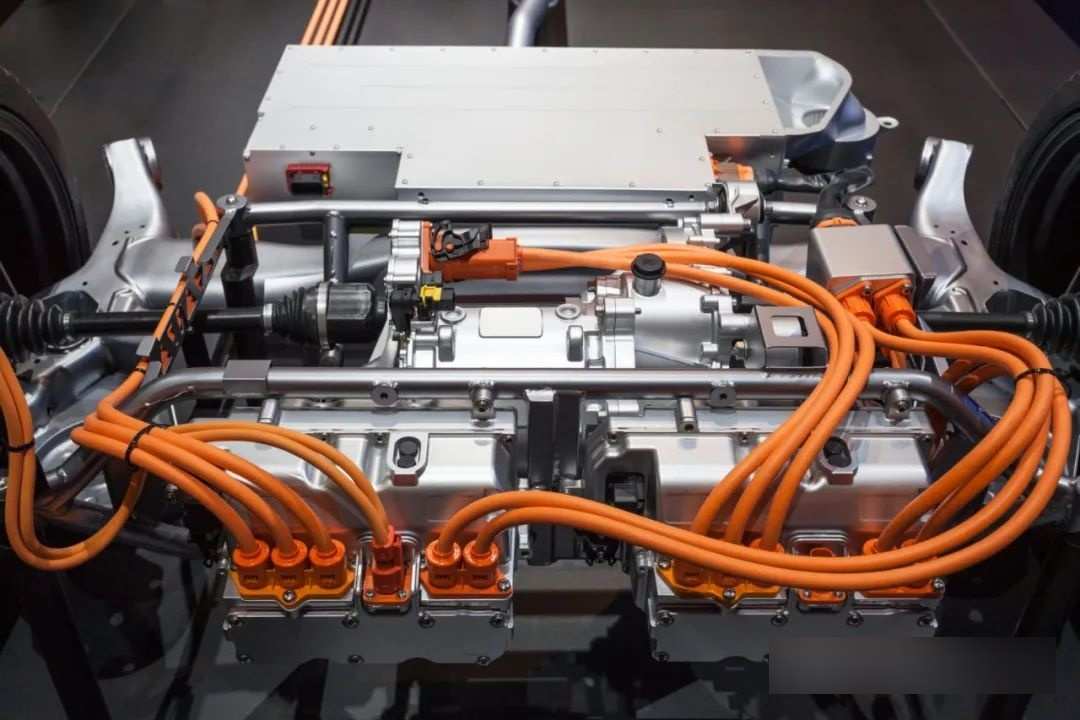
With the NEV penetration rate surpassing 40% and the rapid popularization of 800V high-voltage platforms, the demand for high-voltage wire harnesses with high temperature resistance and superior shielding performance has surged dramatically. Copper alloy conductors and silicone insulating materials are becoming the mainstream choices for high-voltage harnesses, which are also required to comply with the ISO 26262 functional safety standard and achieve enhanced electromagnetic interference (EMI) resistance. The global high-voltage wire harness market is projected to reach $18 billion in 2025, with China accounting for 45% of the total market share. Industry leaders such as CATL and Amphenol have jointly developed ultra-high voltage liquid-cooled wire harnesses, perfectly adapted to the new 1000V platform and setting a new benchmark for high-voltage connection technology.
Lightweight Solutions: Aluminum Harnesses and Carbon Fiber Composites Take Off
To address the industry’s pain points of range anxiety and energy efficiency requirements, lightweight solutions featuring aluminum conductors replacing traditional copper wires are entering large-scale application. Carbon fiber composite sheaths and thin-wall insulation technologies further reduce the weight of wire harnesses, helping to cut the overall vehicle weight by 10%-15%. This lightweight transformation not only optimizes vehicle energy consumption but also aligns with the global automotive industry’s low-carbon development trend.
High-Speed Data Transmission: In-Vehicle Ethernet Harnesses Become the New Standard
The development of L3+ autonomous driving has driven a soaring demand for in-vehicle network bandwidth, making Gigabit Ethernet (GBASE-T1) wire harnesses a standard configuration for intelligent vehicles. Twisted pair shielded structures and low-latency signal transmission technologies are now leading the data interaction architecture of ADAS and intelligent cockpits. A single pair of twisted pairs can achieve a transmission rate of 1Gbps with a latency of less than 100ns, fully meeting the real-time decision-making needs of L4 autonomous driving. Leading automakers have already adopted this technology: Li Auto L9 uses an Ethernet backbone network, reducing the wire harness length by 40%, while Great Wall Motor’s Coffee Intelligence 2.0 platform connects 4 lidars and 12 cameras via Ethernet harnesses, cutting data transmission latency by 60%.
Smart Manufacturing: Industry 4.0 Empowers Flexible Production
AI quality inspection, machine vision and digital twin technologies are fully penetrating wire harness manufacturing plants, with the popularization rate of fully automated crimping and laser marking processes exceeding 60%. Manufacturing Execution Systems (MES) realize full-process digital management from design to delivery, achieving significant cost reduction and efficiency improvement. It is predicted that the automation rate of domestic wire harness plants will reach 75% in 2025, reducing labor costs by 40% and lowering the defect rate from 0.5% to below 0.1%.
Modular Design: Platform-Based Architecture Restructures the Supply Chain
Automakers’ platform-based strategies are driving the modular and integrated design of wire harnesses. BYD’s e-Platform 3.0, for example, has reduced the number of connector types from 120 to 30, improving assembly efficiency by 25%. Connector standardization and Zone Control Unit (ZCU) integration solutions have shortened product development cycles and reduced assembly complexity by 30%. Amphenol’s launch of the Smart Vehicle Architecture (SVA) has transformed wire harness suppliers from single part delivery to modular system integration, cutting the development cycle by 6 months and reshaping the industry’s supply chain collaboration model.
Green Sustainability: Eco-Friendly Materials and Recycling Tech Breakthroughs
The EU Battery Regulation (2027) and China’s dual-carbon policies are forcing the industry to transform towards green development. Bio-based degradable insulating materials such as polylactic acid (PLA) and halogen-free flame-retardant sheaths are rapidly replacing traditional PVC. BASF’s Ultramid® Bio, a polyamide made from castor oil raw materials, reduces the carbon footprint by 60% and has been mass-applied to the wire harness sheaths of IM L7. In addition, closed-loop recycling technologies have achieved a resource utilization rate of over 95% for copper and aluminum, realizing the circular development of the wire harness industry chain.
Wireless Exploration: Hybrid Architecture Dominates the Short-Term Market
For short-distance communication between sensors and actuators, wireless harness solutions are being piloted in subsystems such as car doors and seats, reducing cable length by 20%-30%. BMW iX, for instance, uses Bluetooth + UWB technology to transmit door unlocking signals, cutting 12 wire harnesses and reducing weight by 0.8kg. However, due to the gap in reliability (99.999%) and real-time performance (<10ms) compared with wired transmission, a wired + wireless hybrid architecture will dominate the market in the short term, accounting for more than 80% of the market share in 2025.
Thermal Management & Safety Testing: Technological Upgrades for Extreme Environment Adaptation
The demand for 800V high-voltage fast charging and battery heating in cold regions has spawned wide-temperature-range wire harnesses capable of withstanding -40℃ to 150℃. Adopting technologies such as polytetrafluoroethylene (PTFE) coating and liquid-cooled heat dissipation conduits, these harnesses ensure signal stability in extreme high and low temperature environments. Driven by the dual standards of functional safety (ISO 26262) and cybersecurity (ISO/SAE 21434), virtual simulation test platforms now cover the verification of wire harness durability and electromagnetic compatibility (EMC), shortening the test cycle by 50% and reducing the failure rate to below 0.1‰.
2025 will witness the four-fold transformation of China’s automotive wire harness industry towards high voltage, lightweight, intelligence and green sustainability. The industry competition is no longer just a contest of technology, but also a test of supply chain collaboration and ecological integration capabilities. Enterprises need to continue deepening their layout in three core dimensions: material innovation, process upgrading and intelligent manufacturing to seize the high ground in the global automotive supply chain restructuring.
To further promote the technological exchange and industrial collaboration of the automotive wire harness industry, the International Connection Technology Conference will be held at the Shanghai International Sourcing Convention and Exhibition Center on March 6-7, 2025. The conference will gather core suppliers from all links of the automotive wire harness industry chain, showcasing the latest technological achievements and development trends of connectors, high-performance cables, advanced testing tools and intelligent processing equipment, and jointly exploring the future development of the global automotive connection system industry chain.




Leave your message